The park district approves construction of the construction of a new public toilet. The location has been chosen and the building appears to be suitable and the construction team is now ready to move forward.
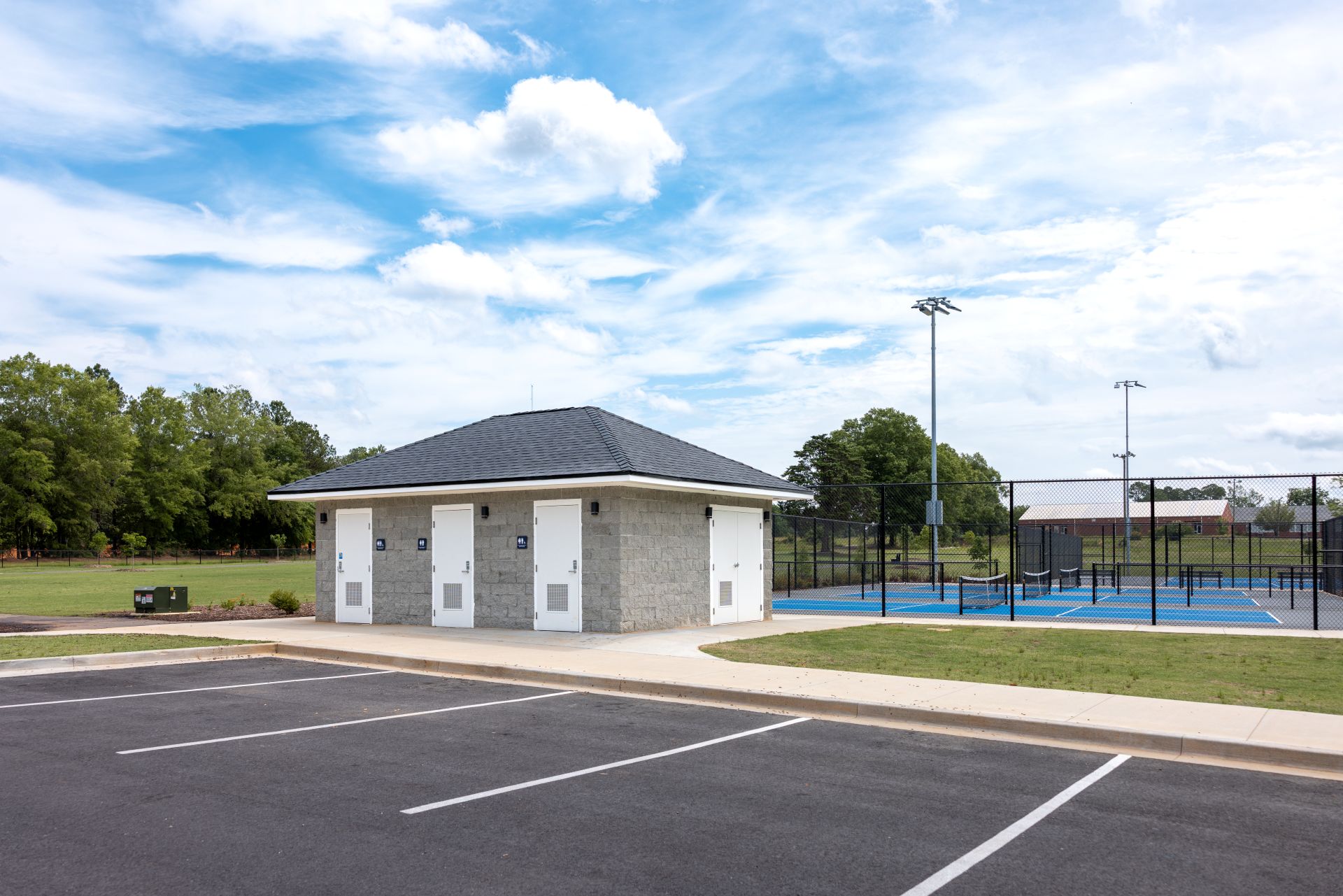
Image credit: romtec.com
Then the contractor begins reviewing the location. The site chosen is prone to drainage problems. Electricity connections are further away than expected. Delivery vehicles may have difficulty reaching the location of the installation and the building layout might not match the available space.
None of these issues necessarily mean that the project can’t proceed. But, they could cause redesigns, more costs, and construction delays. For public entities and developers bathrooms, the project is much more manageable if factors affecting the location influence the building choices from the very beginning.
A Drawing of a Building doesn’t tell the Whole Story
Before selecting prefabricated park restroom buildings, project teams should understand what the surrounding property can accommodate. The site’s slope and soil condition, drainage access to utilities, as well as access to construction sites can all influence the construction process.
A bathroom near the playground, for instance could require being connected to the existing infrastructure of sewers and water. If the current infrastructure isn’t available, or it would be expensive to expand those connections, then a new sanitation system may be needed.
The building’s foundation and placement should also take into consideration the applicable codes, accessibility requirements as well as site-specific restrictions. A typical layout for a building may look suitable on paper however it requires significant modifications once these details are considered.
Urban Projects Have Their Own Construction Limitations
It’s more than the search for a tiny space to put a restroom on a sidewalk. The sidewalks that are public usually have underground utilities such as streets furniture, pedestrian routes as well as entrances to nearby buildings. Coordinating with local authorities can be necessary for construction work.
A bathroom located too close to a utility line can make it difficult to excavat or foundation work. Accessibility adds another consideration. The entrance as well as the surrounding entrance must satisfy all applicable requirements.
Romtec offers the option of customizing ADA single-user toilets with options for the locations of doors and sinks. This allows project teams to plan for public use while also considering physical site restrictions.
There is no sewer Connection? Look at the alternatives
Remote recreation sites present a new infrastructure challenge. A trailhead may be located some distance away from the closest sewerage source and makes flushing toilets a non-sensical option.
Vault toilets can be a viable alternative to waterless toilets in certain areas. Rather than transporting wastewater through a sewer system, these toilets store waste in a holding vault that must be cleaned regularly.
The option of vault toilets doesn’t remove the need for design and planning of the site. The project requires suitable soil conditions, access to the equipment for servicing safely, adequate ventilation and the compliance with environmental regulations.
Romtec creates vault toilets with waterless design that incorporate Sweet-Smelling Technology (SST), which is intended to help manage the odors by allowing ventilation. Picking the right sanitation system in advance will help avoid costly changes to the layout of the building later.
Construction Coordination Begins Prior to Delivery
The most popular misconception about prefabricated structures is that the majority of construction decisions are made by manufacturers. In actuality there are many things to coordinate. These include site preparation and foundation requirements, accessibility, connections to utilities as well as local approvals. Romtec’s approach for these projects is through customized building kits and design help instead of relying entirely on pre-built structures.
The company collaborates closely with landscaping architects, project managers and contractors to align building specifications to site requirements. This is especially useful when a bathroom must match the style of a particular architectural design or meet particular property conditions.
The more questions you ask will help you create a better project
Owners should first decide on the location of the bathroom as well as the manner in which construction equipment can access the building, and also the required approvals.
It is crucial to know whether the sanitation system you choose is able to handle the volume of people expected to visit and if the facility will still be able to be used without major infrastructure improvements.
They may be less appealing than selecting exterior finishes or architectural details, but they can impact more on the project’s cost and schedule.
A successful project for public restrooms doesn’t mean delivering a building on time. The site, the building infrastructure, the construction process, and its purpose are all considered. The earlier decisions will guarantee that the final bathroom will be in a position to serve the community more effectively.